Mark Cole – The Hatter

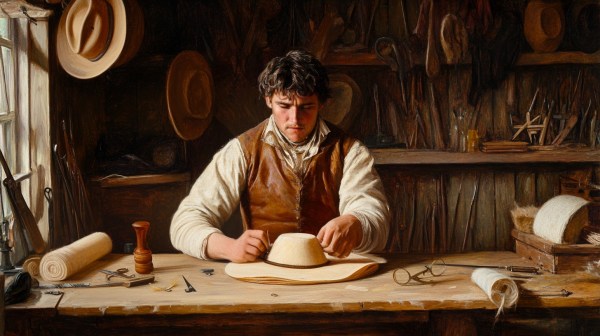
Born around 1772, Mark Cole was the son of William Cole, though little else is known about his early family life, including the identity of his mother. Circumstantial evidence hints that William may have been residing in Halifax County, Virginia, or Rowan County, North Carolina, when Mark entered the world. By 1779, when Mark was... Continue Reading →

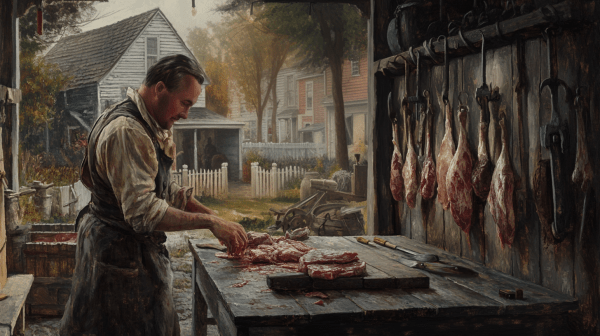
Stephen Cole – The Butcher

Stephen Cole presumably arrived in Pennsylvania sometime between 1716 and 1718. While the exact details of his journey remain elusive, traces of his family begin to appear in the Chester County, Pennsylvania and New Castle County, Delaware areas during this time. It is possible that Stephen, alongside his presumed siblings Mark, James, John, William, and... Continue Reading →

Revolutionary Roster: Smith Family Patriots in the North Carolina Militia

In Cumberland County, North Carolina, during the Revolutionary War, the organization of militias followed a structured yet community-driven approach. At the county level, these militias were composed of local men who either volunteered or were conscripted to serve. Recruitment efforts were often spearheaded by prominent community members, including local leaders, landowners, and respected veterans. These... Continue Reading →

Isaiah Smith: The Deception of Identical Names

The "name’s the same fallacy" is a common pitfall in genealogical research where a family genealogist assumes that two individuals with the same name are the same person. This fallacy arises from the mistaken belief that identical names across different records indicate the same individual, neglecting the broader context and additional corroborative details needed for... Continue Reading →

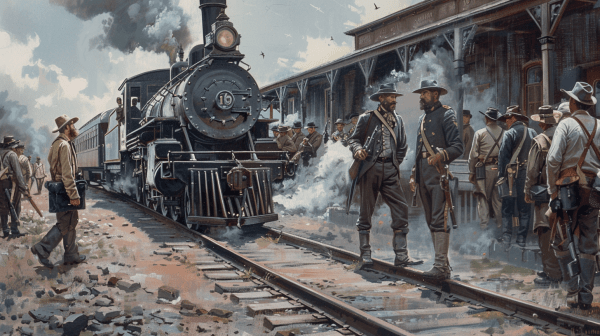
The Confederate Chronicles: Richard and Hardy Smith’s Fight for the South

In the mid 1800s, the United States was experiencing an era of tremendous growth, marked by a fundamental economic difference that existed between the country's northern and southern territories. In the North, a robust manufacturing and industrial sector flourished, while agriculture predominantly consisted of small-scale farming operations. In contrast, the South's economy revolved around large-scale... Continue Reading →

William Smith of Lawnes Creek Parish

In 17th-century Virginia, the primary purpose of the tithable list was tax assessment and collection. These lists identified individuals subject to taxation, known as 'tithables,' serving as crucial administrative tools for tax assessment, maintaining order, and gathering information about the colony's population and resources. During the 1650s and 1660s, colony law stipulated, "Bee itt enacted... Continue Reading →

Blog at WordPress.com.

Up ↑