In an age when literacy rates varied widely, the ability to sign one’s name carried immense significance. For many, a signature was more than just a name on paper—it was a declaration of identity, status, and intent. In legal agreements, from land deeds to estate settlements, signing one’s name or marking with an “X” determined how property, wealth, and responsibilities were distributed.
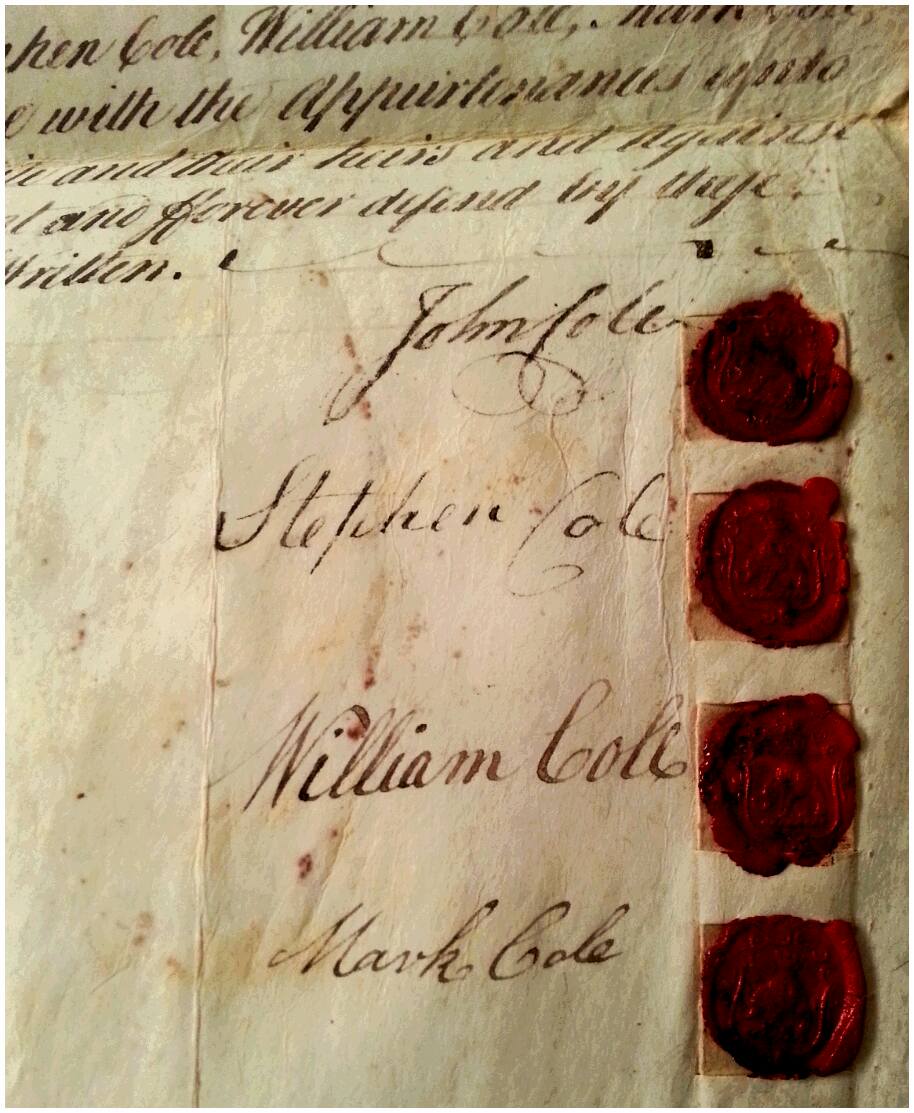
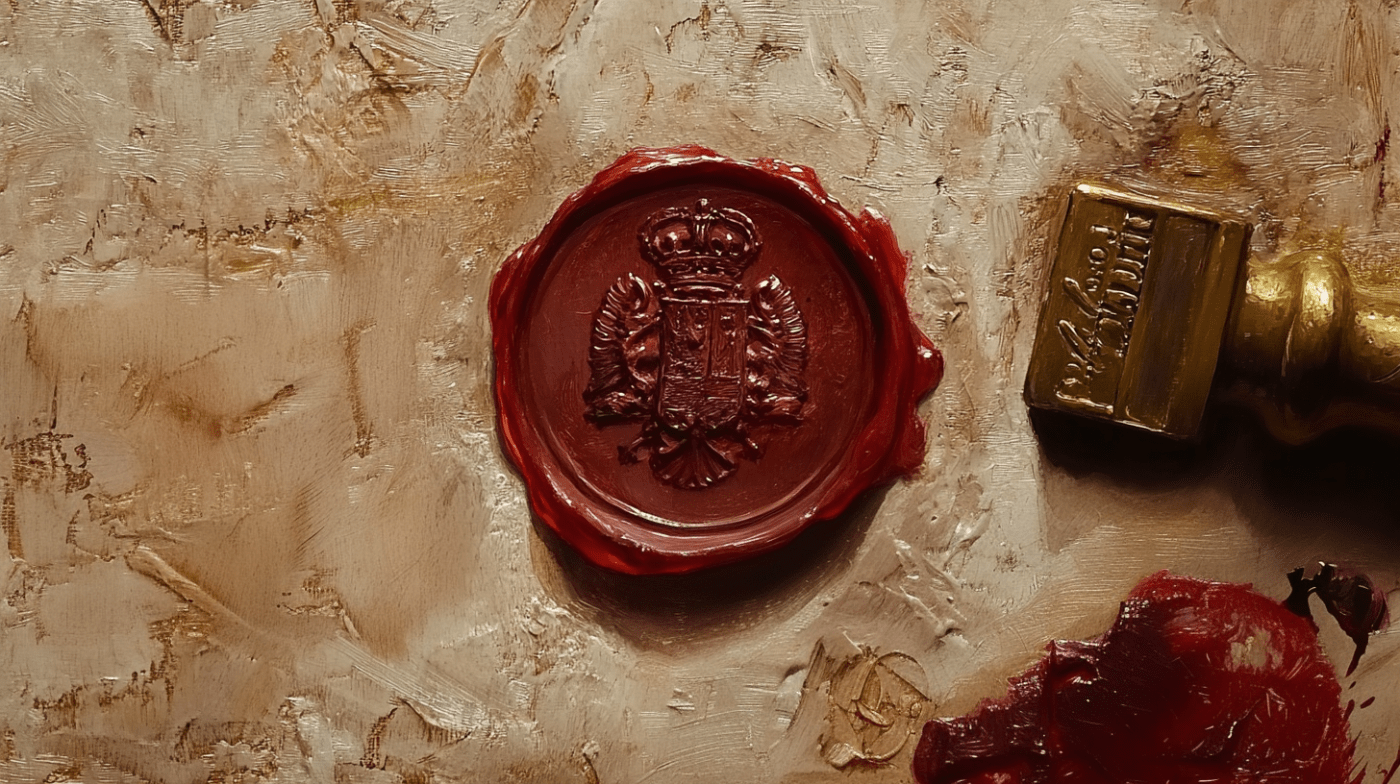
The use of wax seals in this document indicates a legally binding agreement, which could have been a land deed, an estate settlement, or another type of formal contract. In colonial America, sealing a document with wax was equivalent to a notarized signature today—an official act affirming one’s commitment to an agreement.
How Signatures Reflected Status and Literacy
The names John, Stephen, William, and Mark Cole are prominently written in distinct handwriting styles, suggesting that each individual personally signed his name. However, historical records often show that not all colonial settlers were literate. The presence of four signatures, rather than a simple “X” mark, suggests that at least some of the Cole brothers were able to write their own names, a skill not universally possessed at the time.
The Importance of Wax Seals
Beyond the handwritten names, this document also features red wax seals, which played a crucial role in colonial legal proceedings. A seal was used to authenticate documents, indicating that the signers formally agreed to the terms within. These seals could be customized with unique designs, signifying individual or family identity, much like a signature itself.
The presence of these wax seals suggests a moment of formal, witnessed agreement, one that likely affected property rights, inheritance, or legal obligations.
The Legacy of a Signature
The act of signing a document in the 18th century was far more than a mere formality—it was an affirmation of identity, status, and responsibility. For the Cole brothers, this document was not just ink on parchment; it was a recorded moment in time, a transaction or agreement that carried weight in their lives and in the shaping of Pennsylvania’s history.
Today, as we study such documents, we gain insight into how our ancestors lived, how they established their legacies, and how they shaped the world we now call home. The red wax seals, still visible despite the passage of time, serve as a powerful reminder that history is not just found in books—it is written by the hands of those who came before us.
 digging our roots
Leave a comment