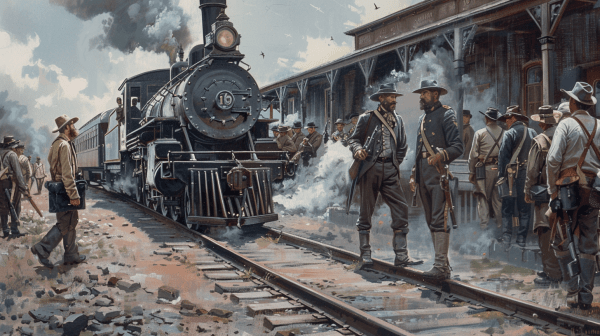
In the mid 1800s, the United States was experiencing an era of tremendous growth, marked by a fundamental economic difference that existed between the country's northern and southern territories. In the North, a robust manufacturing and industrial sector flourished, while agriculture predominantly consisted of small-scale farming operations. In contrast, the South's economy revolved around large-scale... Continue Reading →
Unraveling Family Ties: Deciphering the Connection Between Isaiah Smith and Needham Smith – Part 1
In a prior post about Elizabeth Smith Crozier, I established her as the daughter of Isaiah Smith. This revelation led to the discovery that in 1880, Mary Ann Crozier, Isaiah Smith's granddaughter, was living with Elizabeth J Johnson Grace Smith, Needham Smith's granddaughter. They were listed as cousins in the 1880 census records. This article... Continue Reading →
Forging a New Frontier: The Smiths’ Journey to Georgia and the Riches of Wilkes County Headright Grants
By April 1783, the skirmishes stemming from the Revolutionary War reached their conclusion, marking an end to the hostilities of the war. The Smith clan resided primarily in the northern region of Cumberland County, North Carolina, establishing their homes along Black River, Niells Creek, and Buies Creek. In the days leading up to the war's... Continue Reading →
Whispers of the Past: Delving into the Speculative Arrival of William Smith in Virginia
Benjamin Harrison stood as the progenitor of a renowned lineage known as the James River Harrisons. His notable appointments include being appointed Clerk of the Virginia Council in 1632, tobacco viewer for the Upper Chippoakes district (Jamestown) in 1639, and holding a position as a representative in the House of Burgess for James City County... Continue Reading →
William Smith of Lawnes Creek Parish
In 17th-century Virginia, the primary purpose of the tithable list was tax assessment and collection. These lists identified individuals subject to taxation, known as 'tithables,' serving as crucial administrative tools for tax assessment, maintaining order, and gathering information about the colony's population and resources. During the 1650s and 1660s, colony law stipulated, "Bee itt enacted... Continue Reading →